Thank you! Your submission has been received!
Oops! Something went wrong while submitting the form.
Close

It's a dream to be here. Come in the heart of the Mexican Caribbean. Fill in your check-in and check-out date below and book your stay. We can only promise you great moments and unforgettable holidays with us.
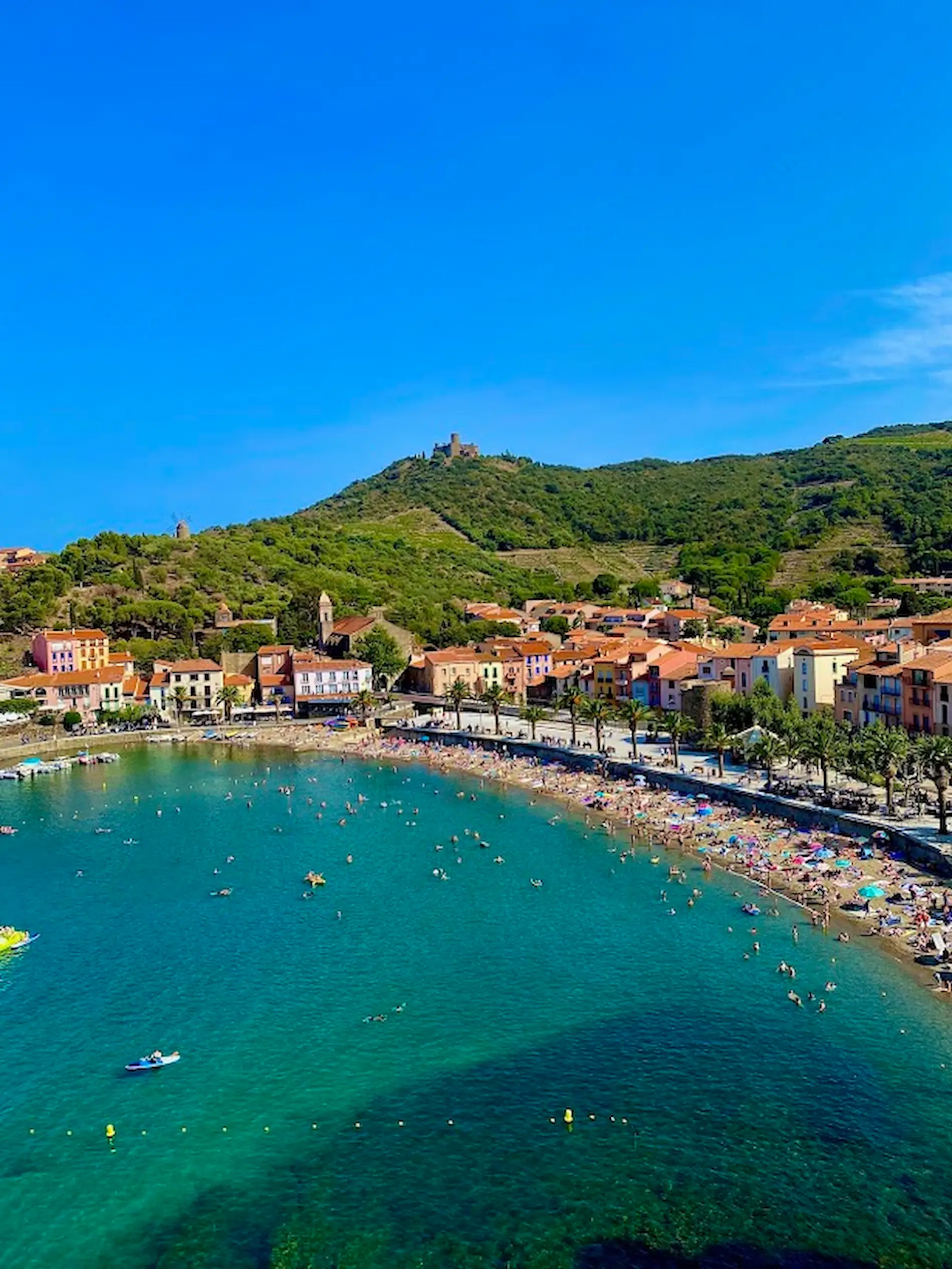
Every year, in mid-August, our pearl of the Côte Vermeille vibrates to the rhythm of its most anticipated event. However, behind the summer excitement lies a fascinating centuries-old history. To understand the essence of this tribute, one must first look at the figure of Saint Vincent. A deacon of Spanish origin, martyred in Valencia in 304 under the reign of Emperor Diocletian, he is universally recognized as the patron saint of winemakers. This affiliation is obviously not insignificant for our city, whose steep hills and schist terraces shelter an ancestral vineyard. The locals' attachment to this divine protector thus stems directly from their relentless work of the land and the vine.
The true history of the Collioure festivities takes root at the very beginning of the eighteenth century. August 16, 1701, marks a founding date in the village's annals: it was on this day that the sacred relics of the saint officially arrived at the port. This exceptional event aroused an unprecedented popular emotion among the local population, then mainly composed of fishermen and vineyard workers. To worthily welcome and protect these sacred remains, a small chapel was built on a schist rock which, at the time, was still an island whipped by the waves of the Mediterranean. Today connected to the mainland, the famous Saint-Vincent Chapel has become one of the most photographed monuments in France, but it remains above all the cradle of this tradition.
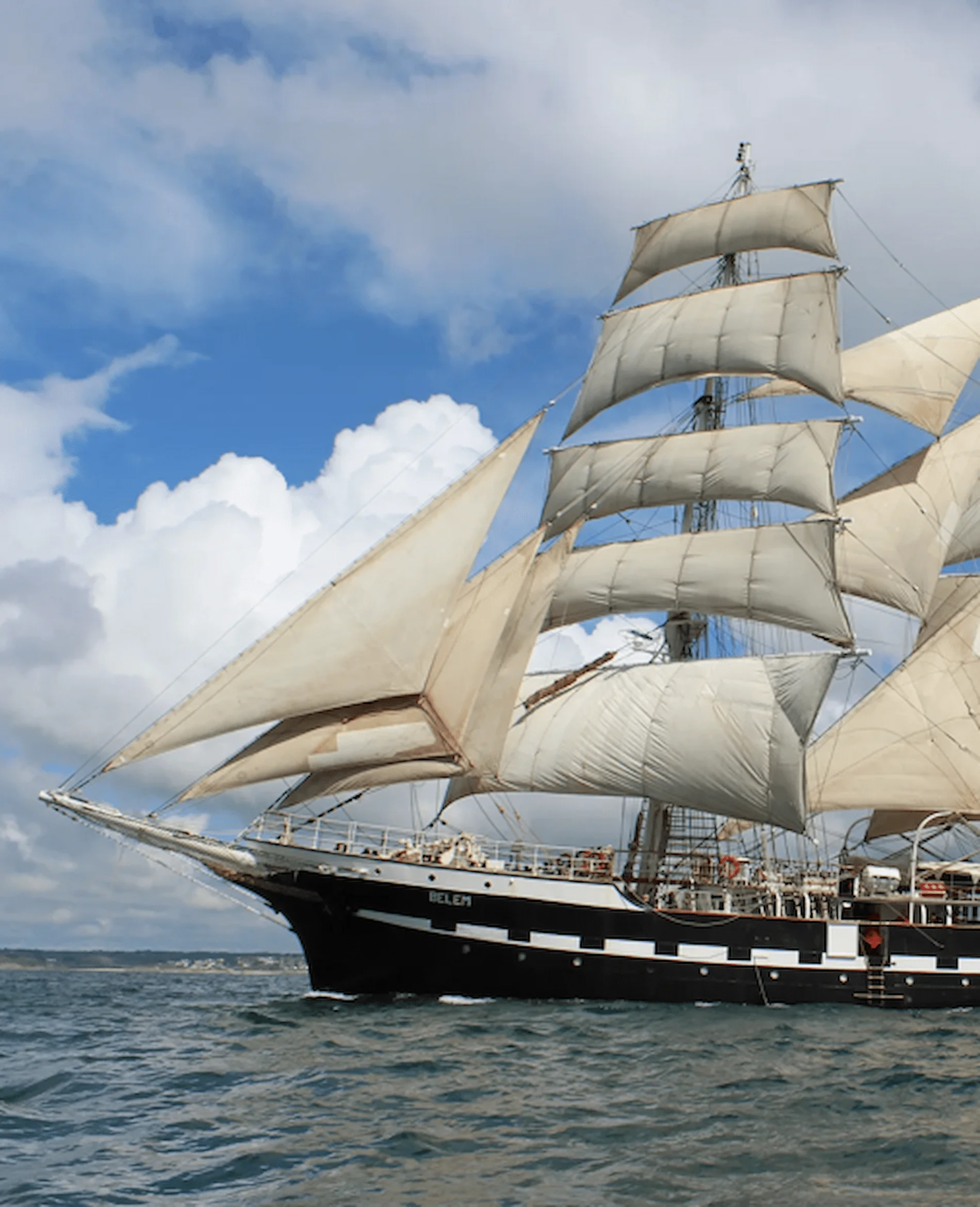
From the very first commemorations, water naturally occupied a central place in the ritual. The unique topography of the village gave rise to a spectacular custom: the maritime procession. In order to connect the Notre-Dame-des-Anges church to the chapel located on the rock, the relics were and still are transported on the waves. Local fishermen made it a point of honor to decorate their emblematic Catalan boats, recognizable by their majestic lateen sails and shimmering colors. This nautical parade poetically symbolizes the vital alliance between the village's two nourishing pillars: the generosity of the sea and the richness of the land.
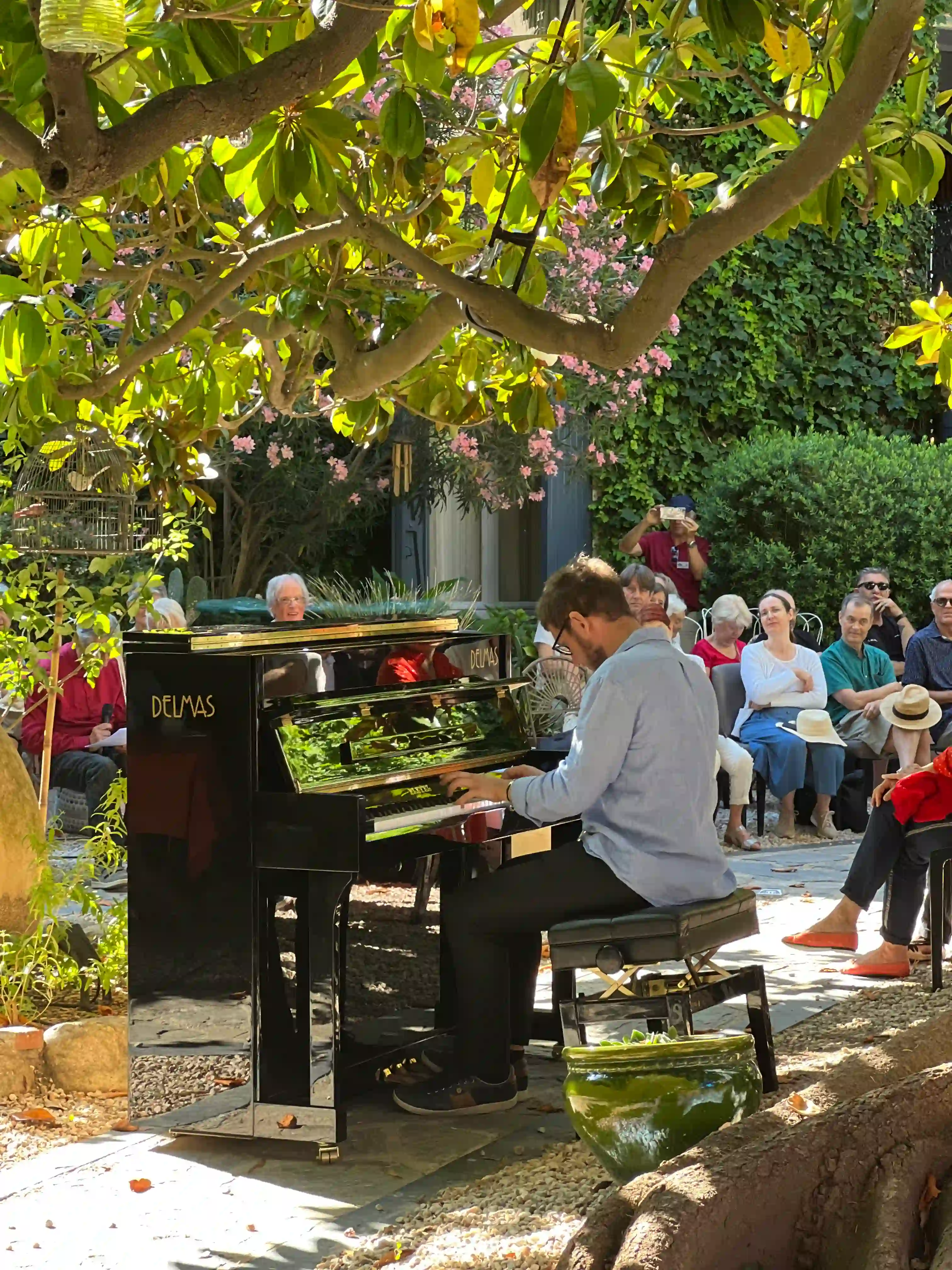
Over the decades and centuries, the strictly religious fervor of the early days gradually became enriched with a secular and festive dimension, without ever denying its origins. What was once a simple day of prayers and blessing of the harvests transformed into a major popular gathering. Purely Catalan traditions naturally grafted themselves onto it. The squares began to resonate with the sound of coblas accompanying sardanas, these circular dances symbolizing brotherhood, while the streets came alive to celebrate the Mediterranean way of life. The event thus became the absolute reflection of the soul of the Catalan Country, a moment of intergenerational sharing where the past dialogues with the present.
Today, participating in or witnessing the historical celebrations of August means diving directly into an open-air history book. It means understanding the soul of these colorful alleys and the pride of the inhabitants who jealously preserve their customs. By choosing to stay at the Casa Païral hotel, a former bourgeois residence nestled in the heart of the village, you soak up this exceptional heritage. Our establishment offers you an ideal haven of peace to recharge your batteries after having explored the remnants and tales of this unmissable tradition of the Mediterranean Sea.